
"coffee plant development"
10000 article(s) found

Characteristics of Luzhou Coffee Development Direction of planting Historical Coffee producing areas in Shandong Province
With regard to coffee producing areas around the world, after the third wave of boutique coffee, the development of each producing area is not quite the same. For example, Ethiopia's diversified development direction, Panama is led by geisha / Rosa Ming and then refined sun treatment. We began to pay attention to and predict the traditional coffee producing country Colombia several years ago, because of its changeable

Yunnan Coffee Pu'er Coffee
Pu'er, a heaven-given treasure land, is not only the source of tea in the world, but also an important coffee producing area in China. Both planting area and output account for half of China's coffee, and it is a veritable coffee capital. In recent years, the Pu'er coffee industry has developed rapidly and has formed a complete coffee industry chain from planting to processing. Pu'er coffee has been exported to America, Europe, Asia, etc.

Introduction to the spread and Development of the Cultural Origin of Coffee in China
In recent years, with the impact of foreign culture and the change of life style, coffee has entered the lives of ordinary Chinese people more and more, and coffee cultivation has gradually developed in China. Now, there are considerable coffee planting bases in Yunnan, Hainan, Guangxi, Guangdong and other provinces in China, and some world-famous coffee companies such as Maxwell, Nestl é, Colombia and so on.

The development of coffee in India-what are the main growing areas of coffee?
Professional coffee knowledge exchange more information about coffee beans Please follow the coffee workshop (Wechat official account cafe_style) the growth and decline of India's coffee industry like Indonesian coffee, India's coffee industry has experienced ups and downs. This has led to huge wealth fluctuations in India's coffee industry. At first, most of the commercial coffee planted in Arabica, and the plantations are mainly distributed today.

The road of Lincang coffee to take advantage of the best products has sprung up.
Lincang, which is located in the golden belt of coffee production in the world, its coffee industry is rapidly getting rid of the late start, and the latecomers are on the top. in 2013, the total coffee planting area in the city reached 554200 mu, ranking second in Yunnan Province.
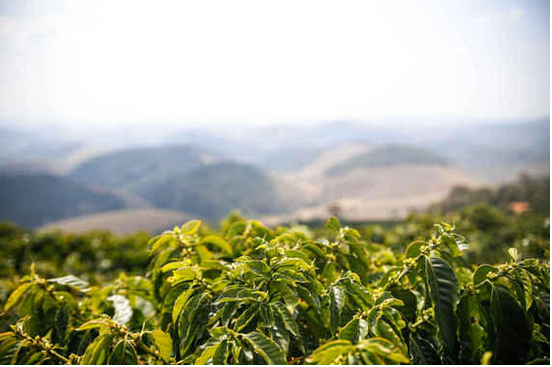
Pu'er Coffee with a sudden rise in China's Coffee Market
Pu'er, a heaven-given treasure land, is not only the source of tea in the world, but also an important coffee producing area in China. Both planting area and output account for half of China's coffee, and it is a veritable coffee capital. In recent years, the Pu'er coffee industry has developed rapidly and has formed a complete coffee industry chain from planting to processing. Pu'er coffee has been exported to America, Europe, Asia, etc. 3
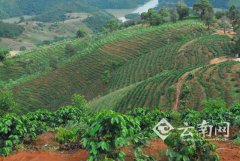
Coffee cultivation in Lincang City has become the second largest coffee producing area in Yunnan.
It was learned from the conference on the development and promotion of coffee industry in Lincang City, Yunnan Province that by the end of 2013, the coffee planting area in Lincang City had reached 554200 mu, making it the second largest coffee producing area in Yunnan.

Yunnan Arabica coffee future development trend Yunnan coffee industry rapid development
Yunnan is the only coffee-producing area in China. With its unique climate and changeable geographical environment, Yunnan grows coffee with multi-level taste, which can be regarded as unique among coffee producing areas in the world. In recent years, Yunnan coffee industry has developed rapidly. Yunnan coffee has developed from more than 300,000 mu in 2008 to more than 1.4 million mu at present. Production rose from about 30,000 tons to more than 80,000 tons in 2013.

The Origin and Development of Yejashefi Coffee Peasant Union (YCFCU) and Hofsha Cooperative treatment Plant
For the exchange of professional baristas, please follow the Coffee Workshop (Wechat official account cafe_style) Hofsha Harfusa Cooperative processing Plant Information introduction Hofsha was originally a village name in the town of Ethiopia. Hofsa Cooperative was established as early as 1975 and can be said to be the vanguard of the first wave of cooperative movement in Ethiopia. There are currently about 843 members. On average, small farmers

History of Coffee Development in China
According to historical records, planting in Taiwan was successful for the first time in 1884. Since then, coffee trees have been planted in China. Coffee planting in Daliu began in Yunnan Province. In 1902, a French missionary named Tian introduced seeds from India and Gong, and planted them successfully in Binchuan County, Yunnan Province, located in Zhukula, a tributary of Jinsha River. Commercial cultivation of Yunnan coffee began in 1985, but the development was slow.

The spread and Development of Coffee in China the Prospect of Coffee in China
The history of coffee introduced into China is not long, and it was not until 1884 that coffee was first planted in Taiwan. In the mainland, the earliest coffee cultivation began in Yunnan. At the beginning of the 20th century, French missionaries brought the first batch of coffee saplings to Binchuan County, Yunnan Province, and coffee began to be grown on the mainland. In terms of natural conditions, many parts of our country, Latin America, South America, India and India

The present situation of the development of coffee industry in Yunnan _ where can I sell Yunnan small coffee beans _ the output of Yunnan coffee beans
Professional coffee knowledge exchange more coffee bean information Please follow the coffee workshop (Wechat official account cafe_style) Coffee cultivation in Yunnan has a long history. In 1892, French missionary Tian Deneng came to Zhukula Village in Binchuan, Dali for missionary activities and planted the first coffee bean here. The planted coffee seed gave birth to the life of coffee for the first time in Yunnan, China.

Dehong will start the production line of 20,000 tons of instant coffee next year.
In order to support Dehong coffee industry, starting from this year, the first local law to regulate industrial development and market behavior in Dehong Prefecture, Yunnan Dehong Dai Jingpo Autonomous Prefecture, Dehong Coffee Industry Development regulations has been formally implemented.

When was coffee introduced into China? Coffee growing in Taiwan Coffee Development in Yunnan and China
The history of the introduction of coffee into China is not long, and it was not until 1884 that coffee was first planted in Taiwan Province. In the mainland of the motherland, the earliest coffee cultivation began in Yunnan. At the beginning of the 20th century, French missionaries brought the first batch of coffee saplings to Binchuan County, Yunnan Province, and began to grow coffee in the mainland. Chinese people have been drinking tea for thousands of years.
Spread and Development of Coffee in China
The history of the introduction of coffee into China is not long, and it was not until 1884 that coffee was first planted in Taiwan Province. In the mainland of the motherland, the earliest coffee cultivation began in Yunnan. At the beginning of the 20th century, French missionaries brought the first batch of coffee saplings to Binchuan County, Yunnan Province, and began to grow coffee in the mainland.

Chinese coffee looks at Yunnan, how to develop Yunnan coffee beans
Following Kaiping (official Wechat account vdailycom) found that Beautiful Cafe opened a small shop of its own. Yunnan was one of the first provinces in China to grow coffee. At the end of the 19th century, missionaries from Europe went to Yunnan Dali and other places to preach, bringing coffee seeds to Yunnan. In the early stage after liberation, the trial planting of Lujiangba in Baoshan was successful, and it was found that it had good adaptability and good quality.

China's coffee industry is developing rapidly, with a planting area of more than 1.8 million mu.
Although the coffee industry has a bright future, the problem of single variety also restricts the development of coffee industry in China. Long universe said frankly, at present, Katim series hybrid varieties account for more than 95% of the total coffee area in China, this series of varieties have the advantages of rust resistance, short stem, early production, high yield, quick effect, etc., but there are also defects such as poor stable yield, easy premature aging and poor quality. As the years of cultivation extend,

Love Coffee Manor Love Coffee Coffee the latest introduction to the development history of love coffee manor
Aiyi Manor Coffee is a leading brand of Chinese coffee, which integrates coffee cultivation, primary processing, intensive processing, product research and development, trade and brand marketing. Over the past 15 years, it has been committed to bringing Yunnan coffee into the international coffee market, and after earning a reputation for Yunnan coffee in the international market, Aiyi Group began to shift its strategy from the international export market.

The Development History of Coffee in China Chinese Coffee Culture History
From the success of coffee planting in Taiwan in 1884 to today, the development of coffee in China has gone through more than one hundred years of ups and downs. The following is a detailed introduction: ★ in 1884, coffee was successfully planted in Taiwan. In 1902, ★ successfully introduced and planted coffee in Yunnan, China. ★ in 1985, Yunnan Agricultural Reclamation began to grow coffee commercially. ★ 1992, UNDP assisted China to build
The Development History of Fine Coffee Culture in China
From the success of coffee planting in Taiwan in 1884 to today, the development of coffee in China has gone through more than one hundred years of ups and downs. The following is a detailed introduction: ★ in 1884, coffee was successfully planted in Taiwan. In 1902, ★ successfully introduced and planted coffee in Yunnan, China. ★ in 1985, Yunnan Agricultural Reclamation began to grow coffee commercially. ★ 1992, UNDP assisted China to build